Changing the Narrative: Confronting Suicide in African Queer Communities
 questpro
On September 10th, the global community observes World Suicide Prevention Day, united under the 2025 theme, “Changing the Narrative.” At Questpro Women Foundation, we stand in solidarity with advocates worldwide to challenge the stigma surrounding suicide, amplify prevention strategies, and dismantle systemic barriers that perpetuate high suicide rates. This day is a clarion call to confront the alarming statistics, advocate for marginalized communities, and foster hope through collective action.
The World Health Organization’s 2025 report reveals a sobering reality: over 720,000 lives are lost to suicide annually, making it the third leading cause of death among youth aged 15 to 29. Low- and middle-income countries bear a disproportionate burden, accounting for 73% of these deaths. In Africa, the suicide rate stands at 11.2 per 100,000 people, surpassing the global average of 9.0 per 100,000. Yet, these figures are likely underreported due to pervasive stigma and punitive laws. In nations like Nigeria, suicide attempts are criminalized, carrying penalties such as one-year imprisonment. Such policies deepen shame, silence conversations, and deter individuals from seeking help.
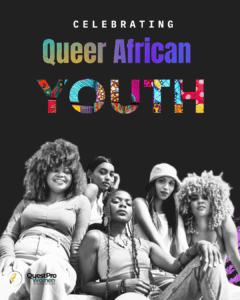
Marginalized groups face heightened risks. Black LGBTQ+ youth report a 16% suicide attempt rate, while Middle Eastern and North African LGBTQ+ youth face rates as high as 18%. Bisexual women, according to the National Institute of Health, experience suicidal ideation at rates of 11% to 20% and plan suicide at 7%. Lesbian and bisexual women are twice as likely to attempt suicide compared to their heterosexual counterparts. These disparities stem from systemic inequities, including compulsory heterosexuality, which enforces rigid norms that alienate and oppress queer women in African societies.
Compulsory heterosexuality imposes a suffocating expectation of conformity, compelling queer women to suppress their identities. Cultural norms and legal frameworks often reinforce this oppression, leading to family rejection, community ostracism, and profound isolation. For many, this relentless exclusion breeds despair, culminating in suicidal ideation or attempts. Gender-based violence (GBV) further exacerbates this crisis. Practices such as “corrective rape”, a heinous act intended to enforce heterosexuality, inflict severe trauma, driving survivors toward isolation and hopelessness. Survivors of GBV often lack access to mental health support due to poverty, overburdened urban healthcare systems, and fear of being outed. The World Health Organization underscores that discriminated groups, particularly LGBTI individuals, face significantly elevated suicide risks.
Despite these challenges, organizations like Questpro Women Foundation are taking bold steps to address this crisis. Through the generosity of supporters, we fund and expand mental health services for survivors of GBV and marginalized communities. Our work seeks to break the cycle of stigma, provide safe spaces for healing, and advocate for systemic change.
Call to Action:
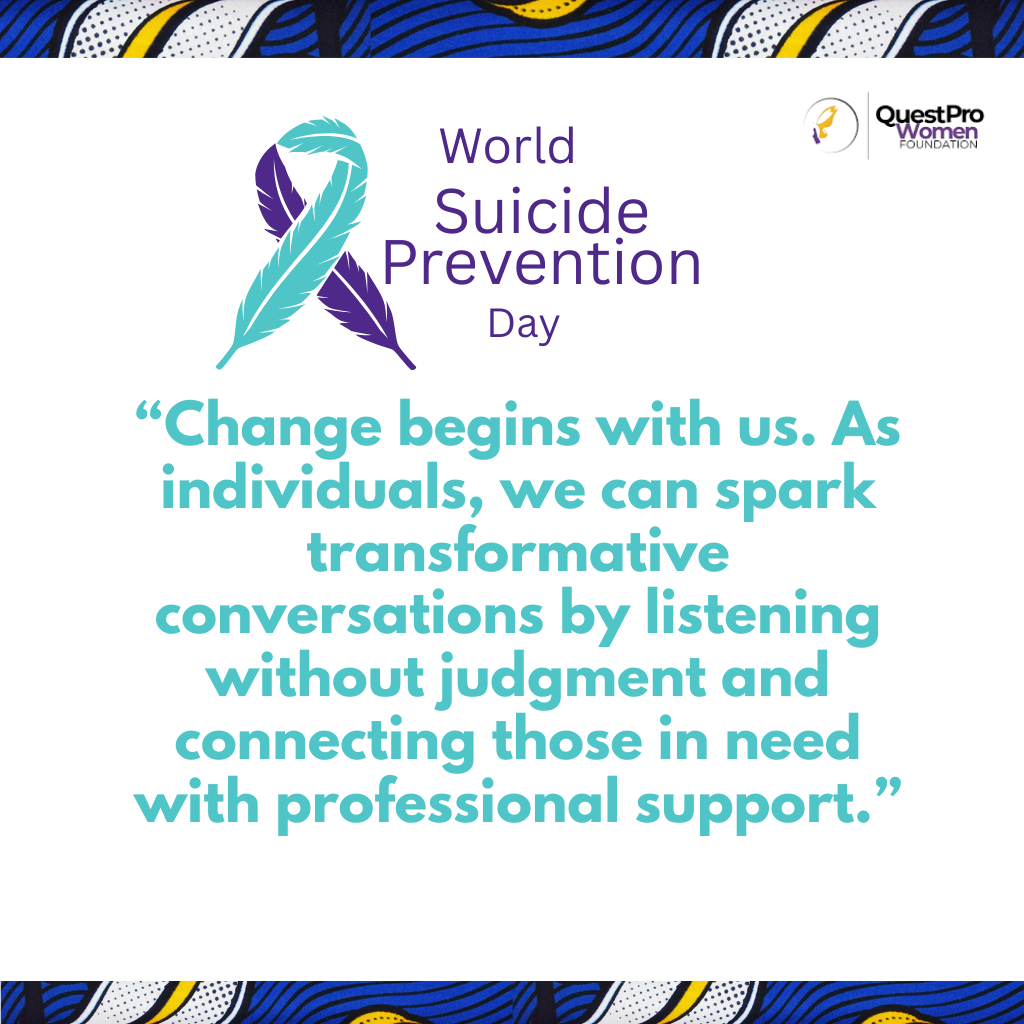
Change begins with us. As individuals, we can spark transformative conversations by listening without judgment and connecting those in need with professional support. As Africans, we must unite to eradicate gender-based violence and demand the decriminalization of homosexuality, creating societies where queer women can live authentically and without fear. Supporting organizations like Questpro Women Foundation amplifies these efforts, ensuring access to critical mental health resources.
Together, we can rewrite the narrative on suicide. Through collective action, compassion and advocacy, we can build a future where every life is valued and hope prevails.